
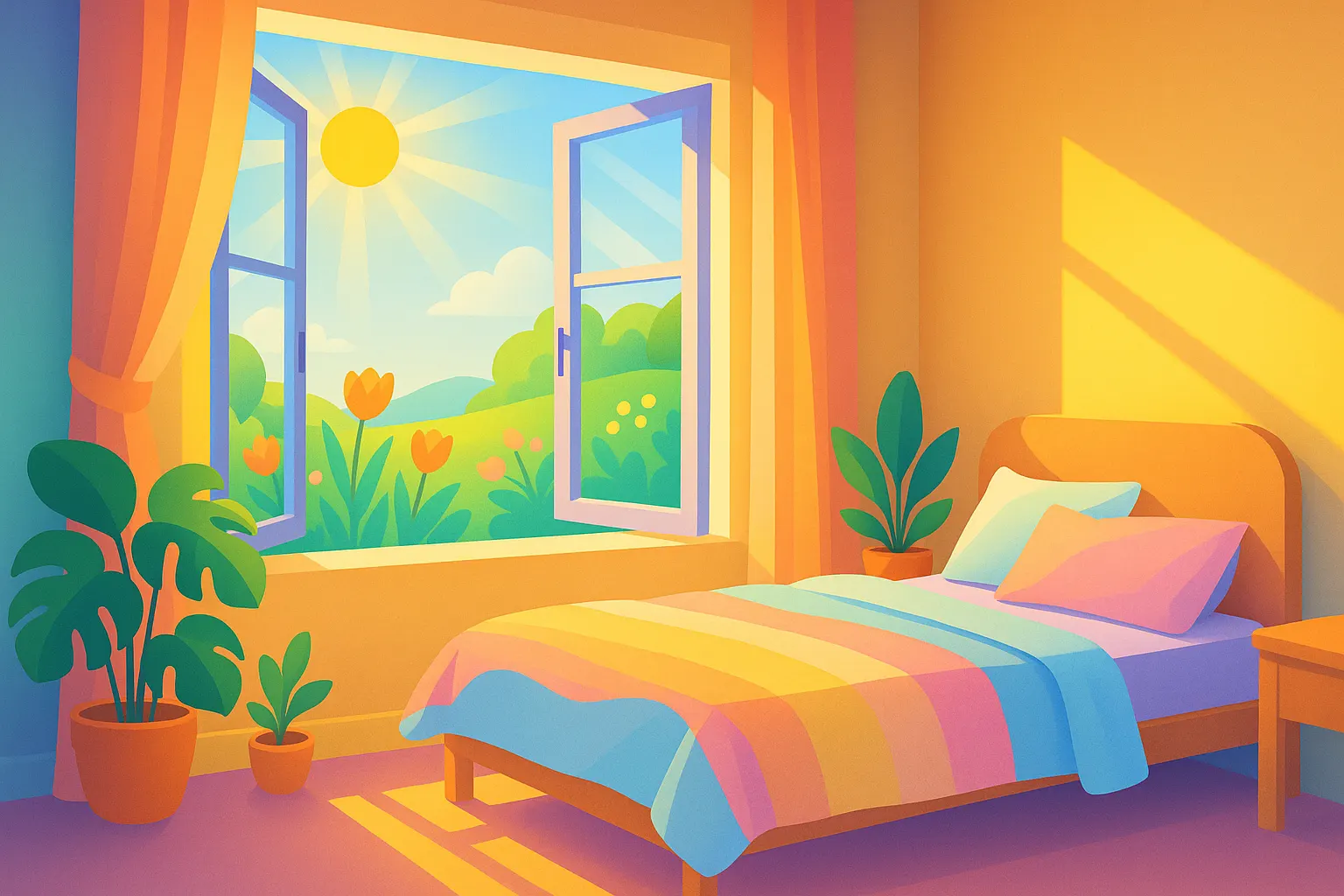
You crack open the window for some April air—only to wake at 3am, sniffling and sneezing. Morning sunlight spills across your pillow, but instead of fresh energy, you feel heavy-lidded. Maybe you scroll half-awake, convinced you can “tough it out,” until your mood sours with every dropped spoon or cranky email reply. If spring sleep feels trickier lately, you’re not alone.
Allergy season collides with spring renewal, making restful nights and bright moods harder to capture. Good news: even small tweaks to your sleep hygiene can lift both your rest and your spirits. Let's walk through gentle, practical ways to refresh your routine—no heroics or perfection required.
Key takeaways
- Spring allergies can disrupt sleep and mood—but small changes help.
- Simple nightly habits build better rest, even during pollen season.
- Light, air, and allergy-proofing support a fresh-start mindset.
- Gentle sleep routines and reflection can lift your mood in April.
Why spring sleep gets rough
Spring brings more than birdsong and cherry buds. For many, it also brings pollen and tricky sleep curves. Allergies can block your nose, tickle your throat, and derail sleep cycles. Add in early sunrises—and the pull to stay up late—and your body clock gets confused fast.
Feeling groggy despite “enough sleep”? Research shows allergy symptoms interrupt deep rest, leading to mood dips and brain fog—even if you've been horizontal for hours. That's why spring sleep hygiene matters.
Allergy-proof your bedroom
Tiny, concrete changes go a long way. Try these allergy-busters in your sleep space:
- Keep windows closed at night, or use a screen—open them during the day instead.
- Change your pillowcase a few times a week (give those spring breezes less to cling to).
- Shower and change clothes before bed—pollen rides home on your hair and hoodie.
- Run an air purifier if you have one, or dust with a damp cloth every few days.
- Stash pets’ beds outside your room if possible—they collect pollen, too.
Refresh your routine for better rest
Your evening routine shapes how you feel in April mornings. Here’s how to build habits—gentle, not rigid—for real rest:
- Ditch caffeine after 2pm. Let spring sunset, not late coffee, set your wind-down timer.
- Dim your lights after dinner—cue your brain that night is coming.
- Step outside (briefly, if pollen’s high) to catch some natural evening light.
- Write or voice-note one thing that felt light or hopeful today. Small gratitudes add up.
- Try a slow stretch or guided breath before bed—these invite real rest, not just scrolling or zoning out.
Mood moves: how sleep and spirit connect
Sleep and mood go hand-in-hand, especially during unpredictable seasons. A bad sleep night in April can cloud even sunniest days—while good rest makes fresh starts easier. If you wake up cranky, that’s not a character flaw. It’s your brain asking for better rest and gentler self-talk.
Feature Spotlight: AIary
Ever wake up unsure how you actually slept—or why your mood is a little off? AIary makes it simple to track your rest, log allergy blips, and spot small mood shifts. Just a few taps each day connects the dots between sleep, daily habits, and how you really feel. Try our prompts for bedtime intention setting or morning check-ins—they help you see patterns, not just symptoms. Get your spring sleep back on track, one gentle note at a time.
Try this today
- Wash your pillowcase and change into allergy-free pajamas before bed.
- Close your window at dusk; open it for 10 minutes after sunrise if pollen is low.
- Dim the lights and reduce blue screen time an hour before bed.
- Write down one “spring mood” win or sweet micro-moment from today.
- Try 2–3 gentle stretches, focusing on chest and shoulders.
- Place a glass of water by your bedside—hydration helps with allergy dryness.
- Set a calming sound (white noise, or spring rain playlist) if allergy sneezing wakes you.
- Scan your room for hidden dust catchers (yes, the bookshelf) and gently wipe one.
FAQ
How do allergies actually affect sleep?
Allergies cause nasal congestion, sneezing, and even itchy skin—symptoms that interrupt your sleep cycles and make it harder to fall or stay asleep. This can leave you feeling groggy and worsen your mood the next day.
Can sleep hygiene really help with allergy season?
Yes! Using allergy-friendly routines—like changing pillowcases, keeping windows closed at night, or showering before bed—can make a noticeable difference by reducing nighttime allergy triggers.
What’s a “fresh start mindset” for sleep?
It means treating each night as a gentle reset, instead of just another battle with the pillow. Small spring-oriented routines, like opening the window for morning air or jotting down simple joys, reinforce the feeling of renewal.
Is journaling before bed helpful if I’m anxious about poor sleep?
Absolutely. Journaling clears space for worries, but focusing on micro-wins or gentle gratitudes helps shift your mindset toward calm. Even a quick sentence can help your brain slow down.
Do I have to keep windows closed all spring?
Not always—check pollen counts in your area. Opening windows early in the morning (before pollen peaks) and closing them at dusk generally works best for most people.
Can sleep routines improve my mood in spring?
Yes. Consistent sleep and gentle transitions into and out of bed help regulate your mood, motivation, and energy levels, even if allergies linger.
Is there a perfect spring sleep schedule?
Perfection isn’t the goal. Tweak your routine until it feels mostly doable and kind to your needs. Even a little improvement can mean brighter days and smoother moods.
Ready to feel your patterns more clearly?
Short daily check-ins add up. AIary helps you connect the dots—gently.
Download AIary